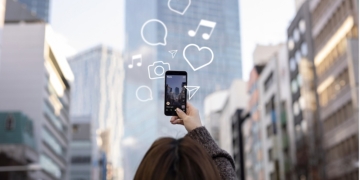




Generation Z never knew a world without smartphones. Born between 1997 and 2012, they grew up with social media as a default infrastructure rather than a novelty technology. Facebook existed before they started school. Instagram launched during their childhood. TikTok arrived as they entered adolescence. These platforms did not disrupt their habits – they formed them from scratch.
Understanding Gen Z requires recognizing that digital and physical realities merged for this generation. Social media is not something they use occasionally – it operates as a continuous background presence shaping how they learn, communicate, shop, and perceive themselves. The habits emerging from this environment differ fundamentally from those of previous generations who adopted technology later in life.
Consumption Habits: From Information to Entertainment
Traditional media consumption followed predictable patterns. Television had schedules. Newspapers arrived mornings. Radio accompanied commutes. Gen Z abandoned these structures entirely. Content arrives continuously through algorithmic feeds, consumed in fragments between other activities.

Short-Form Video Dominance
TikTok reshaped attention patterns across the generation. Videos under 60 seconds became the primary entertainment format. YouTube responded with shorts. Instagram pivoted to Reels. The shift happened within years, not decades.
According to Morning Consult’s Gen Z Research, 54% of Gen Z spend four or more hours daily on social media, with short-form video platforms capturing the largest share of that attention. This consumption level exceeds that of any previous generation at comparable ages.
Long-form content still exists, but serves different functions. YouTube tutorials for learning specific skills. Podcasts during exercise or commutes. Streaming series as weekend activities. The default, however, remains scrolling through brief clips optimized for immediate engagement.
Discovery Through Algorithms
Gen Z discovers products, music, news, and ideas through algorithmic recommendations rather than active search. The feed delivers relevance – or what platforms calculate as relevant based on engagement history. This passive discovery model creates different knowledge patterns than intentional research.
Brand awareness builds through repeated exposure in native content. Traditional advertising interrupts; influencer integration entertains. A product that appears naturally in videos watched for other reasons registers differently from one that appears in commercial breaks.
Such advertising is important even for casinos. Gambling platforms strive to become recognizable, and many of them end up featured on review platforms like Slotozilla, which rates online casinos and slot games. Review articles help users learn more about their favorite casino brands, as well as games developed by IGT and other leading providers. This makes gambling easier, safer, and more secure.
Communication and Social Interaction
Texting replaced phone calls years ago. Gen Z pushed further – voice messages, reaction emojis, meme sharing, and video responses create communication styles unrecognizable to older generations.
Messaging Norms
Response time expectations intensified. Leaving messages unread signals something – anger, disinterest, or social statement. The “delivered” and “read” receipts created accountability that previous generations never had to face. Communication became a continuous negotiation of availability and attention. Key characteristics of Gen Z communication patterns:
- Voice messages are preferred over typed text for complex topics.
- Memes and reaction images convey emotions that words cannot.
- Group chats serve as the primary means of social coordination.
- Public comments build social capital visibly.
- Story responses feel more casual than direct messages.
- Read receipts create implicit response obligations.
Platform choice carries meaning. Instagram DMs suggest different relationship levels than Snapchat. Discord servers indicate community membership. The medium is part of the message in ways Marshall McLuhan could not have anticipated.
Virtual Community Formation
Online communities provide belonging that geographic proximity once delivered. Discord servers around games, music genres, or shared interests create friendship networks spanning continents. These relationships feel as real as the neighborhood connections of previous generations.
Identity exploration happens publicly through profile curation. Aesthetic choices, content sharing, and community affiliations construct visible identities. The audience – real or imagined – influences self-presentation in ways that reshape personality development itself.

Attention, Productivity, and Mental Health
Screen time statistics alarm parents and researchers alike. The effects remain debated, but patterns emerge clearly. Gen Z processes information differently, multitasks constantly, and experiences mental health challenges at elevated rates.
Attention Pattern Changes
Rapid content switching trains specific cognitive patterns. Gen Z moves quickly between tasks, scans content efficiently, and filters out irrelevant information aggressively. Whether these skills represent adaptation or degradation depends on perspective and measurement criteria.
Research from the American Psychological Association indicates that Gen Z reports the highest stress levels of any generation, with 91% citing social media as a significant factor in their emotional well-being. The correlation between platform usage and mental health outcomes remains complex but consistently documented.
Study habits evolved around digital distraction. Focus techniques, app blockers, and structured offline periods represent conscious strategies against default scattered attention. The effort required to concentrate deeply increased substantially compared to pre-smartphone learning environments.
Mental Health Landscape
Anxiety and depression rates among Gen Z exceed those of previous generations at similar ages. Causation remains disputed – social media may cause problems, reflect them, or both. The correlation, however, appears to be consistent across studies and geographies.
Comparison of generational mental health indicators:
| Factor | Gen Z | Millennials | Gen X |
| Daily social media hours | 4+ | 2-3 | 1-2 |
| Self-reported anxiety rates | 42% | 36% | 29% |
| Screen time concern | High | Moderate | Low |
| Digital detox attempts | 58% | 41% | 28% |
| Online therapy usage | 34% | 22% | 11% |
Social comparison intensified through curated feeds showing highlight reels of peer lives. FOMO became a clinical concern rather than a casual acronym. The pressure to present successful, attractive, and interesting selves online creates performance anxiety unknown to previous adolescents.
Cultural Trends and Lifestyle Choices
Fashion cycles accelerated from seasonal to weekly. Food trends spread globally within days. Travel destinations gain and lose popularity based on Instagram aesthetics. Social media does not just reflect Gen Z culture – it manufactures and distributes it.
Trend Velocity
Microtrends emerge and fade faster than manufacturing can follow. A TikTok video sparks demand for specific products. By the time production scales, interest moved elsewhere. This pace frustrates traditional retail while rewarding agile creators and dropshippers.
Aesthetics spread through visual platforms:
- “Clean girl” minimalism replaced maximalist makeup.
- “Cottage core” romanticized rural simplicity.
- “Dark academia” elevated scholarly aesthetics.
- “Coastal grandmother” embraced relaxed sophistication.
- Each trend peaked and faded within months.
According to McKinsey’s State of Fashion Report, Gen Z discovers 60% of new brands through social media platforms, with peer recommendations and influencer content driving purchasing decisions more than traditional advertising or brand heritage.
Social Causes and Activism
Gen Z engages political and social causes through platform-native formats. Infographics simplify complex issues. Hashtag campaigns coordinate action. Cancel culture enforces community standards through visibility withdrawal.
Performative activism concerns emerged alongside genuine engagement. The line between meaningful action and aesthetic alignment blurs when both happen through identical posting behaviors. Authenticity – already a complicated concept – becomes nearly impossible to verify. Brand expectations shifted accordingly. Companies face pressure to state positions on social issues. Silence reads as complicity. Statements without action trigger backlash.
Consumption Patterns
Sustainability concerns influence purchasing, though behavior often contradicts stated values. Thrift shopping gained popularity through social media exposure. Fast fashion simultaneously thrived through the same platforms. The contradiction reflects genuine complexity rather than simple hypocrisy.
Experience prioritization over material goods continued trends from Millennials but intensified. Travel content drives destination choices. Restaurant selection follows Instagram aesthetics. The shareable moment often matters more than the underlying experience itself.
Gen Z’s habits will evolve as they age, gain economic power, and face different life stages. The platforms shaping them will change or disappear. But the fundamental reality – that social media infrastructures formed their baseline expectations about communication, consumption, and identity – will persist throughout their lives.